





-
Table of Contents
«Reduce your cholesterol, reduce your risk – with cholesterol-lowering agents and decreased inflammatory markers.»
Introduction
Cholesterol is a waxy, fat-like substance that is found in all cells of the body. It is essential for the production of hormones, vitamin D, and bile acids. However, high levels of cholesterol in the blood can increase the risk of heart disease and stroke. To combat this, there are various cholesterol-lowering agents and strategies that can also reduce markers of inflammation in the body. In this article, we will explore these agents and their role in reducing inflammation markers for better overall health.
The Role of Statins in Reducing Cholesterol and Inflammatory Markers
Cholesterol is a waxy substance that is found in every cell of our body. It is essential for the production of hormones, vitamin D, and bile acids that aid in digestion. However, when the levels of cholesterol in our body become too high, it can lead to serious health problems such as heart disease and stroke. This is why it is important to keep our cholesterol levels in check, and one way to do so is by using statins.
Statins are a class of drugs that are commonly prescribed to lower cholesterol levels. They work by inhibiting an enzyme in the liver that is responsible for producing cholesterol. This leads to a decrease in the amount of cholesterol in the bloodstream, thus reducing the risk of heart disease and stroke. However, recent studies have also shown that statins have another important role to play – reducing inflammatory markers in the body.
Inflammation is a natural response of the body to injury or infection. However, when it becomes chronic, it can lead to a host of health problems, including heart disease. Inflammation can be measured by certain markers in the blood, such as C-reactive protein (CRP) and interleukin-6 (IL-6). High levels of these markers have been linked to an increased risk of heart disease. This is where statins come in.
Studies have shown that statins not only lower cholesterol levels but also reduce the levels of inflammatory markers in the body. This is because statins have anti-inflammatory properties that go beyond their cholesterol-lowering effects. They work by inhibiting the production of certain proteins that are involved in the inflammatory process. This leads to a decrease in the levels of inflammatory markers in the blood, thus reducing the risk of heart disease.
One study published in the Journal of the American College of Cardiology found that patients who were treated with statins had lower levels of CRP and IL-6 compared to those who were not on statins. Another study published in the Journal of the American Medical Association showed that statin therapy was associated with a 37% reduction in CRP levels. These findings suggest that statins not only lower cholesterol levels but also have a beneficial effect on reducing inflammation in the body.
But how exactly do statins reduce inflammation? One theory is that they inhibit the production of a protein called nuclear factor-kappa B (NF-kB). This protein is responsible for activating genes that promote inflammation. By inhibiting NF-kB, statins can reduce the production of inflammatory proteins and thus decrease inflammation in the body.
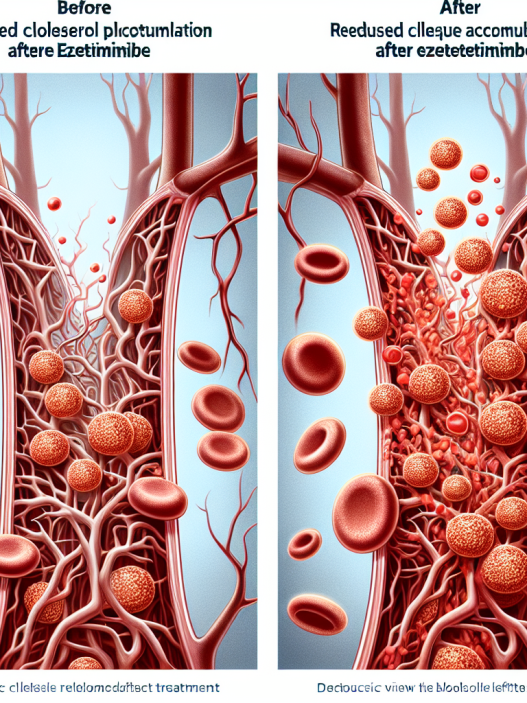
Moreover, statins have also been found to have a positive effect on the endothelium – the inner lining of blood vessels. Chronic inflammation can damage the endothelium, leading to the formation of plaque and increasing the risk of heart disease. Statins have been shown to improve the function of the endothelium, thus reducing the risk of plaque formation and improving overall cardiovascular health.
In addition to their anti-inflammatory properties, statins also have other benefits that contribute to their role in reducing cholesterol and inflammatory markers. They have been found to stabilize plaque in the arteries, making it less likely to rupture and cause a heart attack or stroke. They also have antioxidant properties that can protect against oxidative stress, which is another factor that contributes to inflammation.
In conclusion, statins not only lower cholesterol levels but also have a significant role in reducing inflammatory markers in the body. This makes them a valuable tool in the prevention and treatment of heart disease. However, it is important to note that statins may not be suitable for everyone and should only be taken under the guidance of a healthcare professional. Maintaining a healthy lifestyle, including a balanced diet and regular exercise, is also crucial in keeping cholesterol and inflammation levels in check.
Exploring Natural Agents for Lowering Cholesterol and Inflammation
Cholesterol is a waxy substance found in the cells of our body. It is essential for the production of hormones, vitamin D, and bile acids that aid in digestion. However, when the levels of cholesterol in our body become too high, it can lead to various health problems, including heart disease and stroke. Therefore, it is crucial to keep our cholesterol levels in check. While there are medications available to lower cholesterol, many people are turning to natural agents for reducing cholesterol and inflammation.
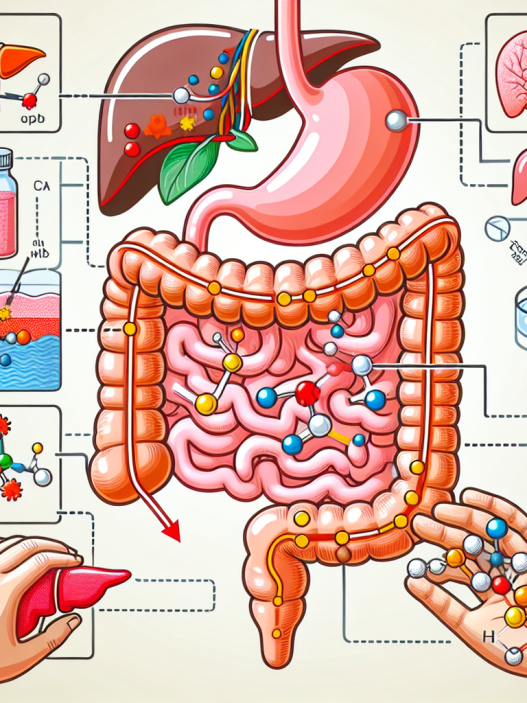
One of the most well-known natural agents for lowering cholesterol is plant sterols. These compounds, found in fruits, vegetables, nuts, and seeds, have a similar structure to cholesterol and can block its absorption in the intestines. Studies have shown that consuming 2-3 grams of plant sterols per day can lower LDL (bad) cholesterol levels by 5-15%. Plant sterols are also known to have anti-inflammatory properties, which can further benefit heart health.
Another natural agent that has gained popularity in recent years is omega-3 fatty acids. These healthy fats are found in fish, nuts, and seeds and have been shown to reduce triglyceride levels and increase HDL (good) cholesterol levels. Omega-3 fatty acids also have anti-inflammatory effects, which can help reduce the risk of heart disease. The American Heart Association recommends consuming at least two servings of fatty fish per week to reap the benefits of omega-3 fatty acids.
In addition to plant sterols and omega-3 fatty acids, there are several other natural agents that have been found to lower cholesterol and reduce inflammation. These include soluble fiber, green tea, and garlic. Soluble fiber, found in foods like oats, beans, and apples, can bind to cholesterol in the digestive tract and prevent its absorption. Green tea contains antioxidants called catechins, which have been shown to lower LDL cholesterol levels. Garlic, on the other hand, has been found to reduce both cholesterol and inflammation in the body.
Aside from these natural agents, there are also lifestyle changes that can help lower cholesterol and inflammation. Regular exercise, maintaining a healthy weight, and quitting smoking are all essential for heart health. Exercise can increase HDL cholesterol levels and reduce inflammation in the body. Maintaining a healthy weight can also improve cholesterol levels and reduce the risk of heart disease. Smoking, on the other hand, can increase inflammation in the body and damage the lining of the arteries, leading to a higher risk of heart disease.
It is also important to note that while natural agents can be beneficial in lowering cholesterol and reducing inflammation, they should not be used as a replacement for prescribed medication. It is always best to consult with a healthcare professional before making any significant changes to your diet or lifestyle.
In conclusion, cholesterol and inflammation are two significant risk factors for heart disease. While there are medications available to lower cholesterol, many people are turning to natural agents for their potential benefits in reducing cholesterol and inflammation. Plant sterols, omega-3 fatty acids, soluble fiber, green tea, and garlic are all natural agents that have been found to have cholesterol-lowering and anti-inflammatory properties. However, it is essential to remember that lifestyle changes, such as regular exercise and maintaining a healthy weight, are also crucial for heart health. As always, it is best to consult with a healthcare professional before incorporating any new natural agents into your routine.
The Link Between Lifestyle Changes and Improved Cholesterol and Inflammatory Levels
Cholesterol is a waxy substance found in the cells of our body. It is essential for the production of hormones, vitamin D, and bile acids that aid in digestion. However, too much cholesterol in the blood can lead to a buildup in the arteries, increasing the risk of heart disease and stroke. In addition to cholesterol, inflammation in the body is also a significant risk factor for these conditions. Fortunately, there are lifestyle changes that can help reduce cholesterol levels and markers of inflammation, ultimately improving overall health.
One of the most effective ways to lower cholesterol levels is through a healthy diet. Foods high in saturated and trans fats, such as red meat, fried foods, and processed snacks, can increase cholesterol levels. On the other hand, incorporating more fruits, vegetables, whole grains, and healthy fats, like those found in avocados and nuts, can help lower cholesterol levels. These foods are rich in fiber, which can help reduce the absorption of cholesterol in the body. Additionally, they contain antioxidants and anti-inflammatory compounds that can help reduce markers of inflammation.
Regular physical activity is another crucial factor in managing cholesterol levels. Exercise can help increase the levels of HDL (good) cholesterol in the body, which helps remove excess cholesterol from the arteries. It also helps lower LDL (bad) cholesterol levels and triglycerides, another type of fat that can contribute to heart disease. Furthermore, exercise can help reduce inflammation in the body by releasing anti-inflammatory substances and improving blood flow.
In addition to diet and exercise, maintaining a healthy weight is essential for managing cholesterol levels. Excess weight, especially around the waist, can increase the risk of high cholesterol and inflammation. Losing just 5-10% of body weight can significantly improve cholesterol levels and reduce markers of inflammation. This can be achieved through a combination of healthy eating and regular physical activity.
Smoking is another lifestyle factor that can significantly impact cholesterol and inflammation levels. Smoking damages the lining of the arteries, making it easier for cholesterol to build up. It also increases the production of inflammatory markers in the body. Quitting smoking can help improve cholesterol levels and reduce inflammation, ultimately reducing the risk of heart disease and stroke.
Stress is another factor that can contribute to high cholesterol and inflammation levels. When we are stressed, our bodies release cortisol, a hormone that can increase cholesterol production and inflammation. Finding healthy ways to manage stress, such as exercise, meditation, or spending time with loved ones, can help reduce these effects.
In addition to lifestyle changes, there are also medications available to help manage cholesterol levels. Statins are the most commonly prescribed medication for high cholesterol. They work by blocking the enzyme responsible for producing cholesterol in the liver. Other medications, such as bile acid sequestrants and cholesterol absorption inhibitors, can also help lower cholesterol levels. However, these medications should be used in conjunction with lifestyle changes for the best results.
In conclusion, cholesterol and inflammation are closely linked, and both play a significant role in the development of heart disease and stroke. By making simple lifestyle changes, such as adopting a healthy diet, exercising regularly, maintaining a healthy weight, quitting smoking, and managing stress, we can improve cholesterol levels and reduce markers of inflammation. These changes not only benefit our heart health but also contribute to overall well-being. It is never too late to make positive changes and take control of our health.
Q&A
1) ¿Cuáles son algunos agentes reductores de colesterol?
Algunos agentes reductores de colesterol incluyen estatinas, fibratos, resinas de intercambio iónico y niacina.
2) ¿Cómo funcionan estos agentes para reducir el colesterol?
Las estatinas y fibratos actúan inhibiendo la producción de colesterol en el hígado, mientras que las resinas de intercambio iónico y la niacina ayudan a eliminar el colesterol del cuerpo.
3) ¿Pueden estos agentes también reducir los marcadores inflamatorios?
Sí, algunos estudios han demostrado que las estatinas y fibratos también pueden reducir los marcadores inflamatorios en el cuerpo, lo que puede ayudar a prevenir enfermedades cardiovasculares. Sin embargo, es importante consultar con un médico antes de tomar cualquier medicamento para reducir el colesterol y los marcadores inflamatorios.