






-
Table of Contents
«Track your weekly progress with Ezetimibe – the key to managing your cholesterol levels.»
Introduction
Ezetimiba es un medicamento utilizado para reducir los niveles de colesterol en la sangre. Es importante evaluar regularmente nuestros progresos al tomar este medicamento para asegurarnos de que está funcionando de manera efectiva y para hacer ajustes si es necesario. En este artículo, discutiremos cómo evaluar tus progresos semanales con Ezetimiba y qué factores debes tener en cuenta.
Benefits of Using Ezetimiba for Weekly Progress Evaluation
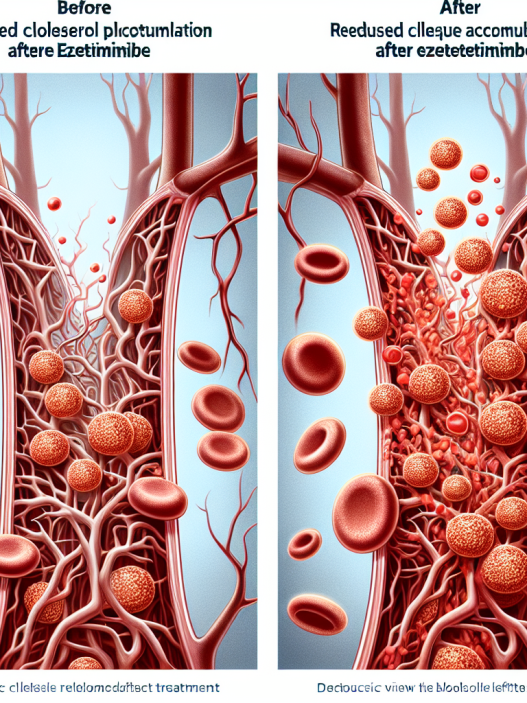
Ezetimiba is a medication that is commonly used to lower cholesterol levels in individuals who are at risk for heart disease. It works by blocking the absorption of cholesterol in the small intestine, thereby reducing the amount of cholesterol that enters the bloodstream. While Ezetimiba is primarily used for its cholesterol-lowering effects, it also has other benefits that are often overlooked. One of these benefits is its ability to help individuals evaluate their progress on a weekly basis.
When it comes to managing cholesterol levels, it is important to regularly monitor and evaluate one’s progress. This allows individuals to make necessary adjustments to their lifestyle and medication regimen in order to achieve their desired cholesterol levels. However, many people struggle with finding an effective and convenient way to track their progress on a weekly basis. This is where Ezetimiba comes in.
Ezetimiba is a medication that is taken once a day, usually in the form of a tablet. This makes it easy to incorporate into one’s daily routine. By taking Ezetimiba at the same time every day, individuals can ensure that they are consistently monitoring their cholesterol levels on a weekly basis. This regularity is key in evaluating progress, as it allows for a more accurate and consistent assessment.
In addition to its ease of use, Ezetimiba also has a relatively quick onset of action. This means that individuals can see changes in their cholesterol levels within a week of starting the medication. This is especially beneficial for those who are looking to evaluate their progress on a weekly basis. By taking Ezetimiba, individuals can see how their cholesterol levels are responding to the medication and make necessary adjustments accordingly.
Another benefit of using Ezetimiba for weekly progress evaluation is its ability to lower both LDL (bad) cholesterol and triglyceride levels. This is important because high levels of these lipids are associated with an increased risk of heart disease. By monitoring these levels on a weekly basis, individuals can ensure that they are effectively managing their cholesterol levels and reducing their risk of heart disease.
Furthermore, Ezetimiba has been shown to be effective in combination with other cholesterol-lowering medications, such as statins. This means that individuals who are already taking a statin can add Ezetimiba to their regimen for even better results. By evaluating their progress on a weekly basis, individuals can see how the combination of these medications is working to lower their cholesterol levels.
In addition to its cholesterol-lowering effects, Ezetimiba has also been shown to have anti-inflammatory properties. Inflammation is a key factor in the development of heart disease, and by reducing inflammation, Ezetimiba can further decrease an individual’s risk of developing heart disease. By evaluating their progress on a weekly basis, individuals can see how Ezetimiba is not only lowering their cholesterol levels, but also reducing inflammation in their body.
In conclusion, Ezetimiba has many benefits when it comes to evaluating progress on a weekly basis. Its ease of use, quick onset of action, ability to lower both LDL cholesterol and triglyceride levels, and anti-inflammatory properties make it an ideal medication for this purpose. By incorporating Ezetimiba into their daily routine and monitoring their progress on a weekly basis, individuals can effectively manage their cholesterol levels and reduce their risk of heart disease.
Tips for Accurately Evaluating Your Progress with Ezetimiba
Ezetimiba is a medication commonly used to lower cholesterol levels in individuals with high cholesterol. It works by blocking the absorption of cholesterol in the small intestine, leading to a decrease in the amount of cholesterol in the bloodstream. This medication is often prescribed alongside a healthy diet and exercise regimen to effectively manage cholesterol levels. However, it is important to regularly evaluate your progress while taking Ezetimiba to ensure that it is working effectively for you.
One of the most important factors to consider when evaluating your progress with Ezetimiba is your cholesterol levels. Before starting the medication, your doctor will likely perform a blood test to determine your baseline cholesterol levels. This will serve as a reference point for future evaluations. It is recommended to have your cholesterol levels checked every 4-6 weeks after starting Ezetimiba to monitor any changes. This will allow you to see if the medication is effectively lowering your cholesterol levels.
In addition to cholesterol levels, it is also important to pay attention to any changes in your overall health. Ezetimiba has been known to cause side effects such as stomach pain, diarrhea, and muscle pain. If you experience any of these symptoms, it is important to inform your doctor. They may need to adjust your dosage or switch you to a different medication. It is also important to mention any other medications or supplements you are taking, as they may interact with Ezetimiba and affect your progress.
Another important aspect to consider when evaluating your progress with Ezetimiba is your diet and exercise routine. As mentioned earlier, this medication is often prescribed alongside a healthy lifestyle. Therefore, it is important to maintain a balanced diet and engage in regular physical activity. These lifestyle changes can greatly impact your cholesterol levels and overall health. By keeping track of your diet and exercise habits, you can see if they are positively contributing to your progress with Ezetimiba.
It is also important to have open and honest communication with your doctor when evaluating your progress with Ezetimiba. They are there to help you manage your cholesterol levels and ensure that the medication is working effectively for you. If you have any concerns or questions, do not hesitate to bring them up during your appointments. Your doctor may also recommend additional tests or adjustments to your treatment plan based on your progress.
In addition to regular check-ins with your doctor, it can also be helpful to keep a journal or log of your progress. This can include your cholesterol levels, any side effects you experience, and any changes in your diet and exercise routine. By keeping track of this information, you can easily see how your progress is evolving over time. This can also be a useful tool to share with your doctor during appointments.
Lastly, it is important to have realistic expectations when evaluating your progress with Ezetimiba. Lowering cholesterol levels takes time and may require adjustments to your treatment plan. It is important to be patient and trust in the process. Your doctor will work with you to find the most effective treatment plan for your individual needs.
In conclusion, evaluating your progress with Ezetimiba is crucial for effectively managing your cholesterol levels. By regularly monitoring your cholesterol levels, paying attention to your overall health, maintaining a healthy lifestyle, and communicating openly with your doctor, you can accurately assess your progress and make any necessary adjustments to your treatment plan. Remember to have patience and trust in the process, and with the help of your doctor, you can successfully manage your cholesterol levels with Ezetimiba.
Common Mistakes to Avoid When Using Ezetimiba for Weekly Progress Evaluation
Ezetimiba is a medication commonly used to lower cholesterol levels in individuals with high cholesterol. It works by blocking the absorption of cholesterol in the small intestine, leading to a decrease in the amount of cholesterol in the bloodstream. This medication is often prescribed as part of a comprehensive treatment plan that includes lifestyle changes such as a healthy diet and regular exercise.
One of the key aspects of managing high cholesterol is monitoring your progress. This involves regularly checking your cholesterol levels and evaluating how well your treatment plan is working. While Ezetimiba can be an effective medication, there are some common mistakes that people make when using it to evaluate their weekly progress. In this article, we will discuss these mistakes and how to avoid them.
The first mistake to avoid is relying solely on Ezetimiba to evaluate your progress. While this medication can be effective in lowering cholesterol levels, it is important to remember that it is just one part of your treatment plan. It is essential to also make lifestyle changes such as following a healthy diet and exercising regularly. These changes can have a significant impact on your cholesterol levels and should not be overlooked.
Another mistake to avoid is expecting immediate results. It is important to understand that Ezetimiba, like any medication, takes time to work. It may take several weeks or even months to see a significant decrease in your cholesterol levels. It is essential to be patient and continue following your treatment plan as prescribed by your doctor.
Additionally, it is crucial to take Ezetimiba as directed by your doctor. This means taking the medication at the same time each day and not missing any doses. Skipping doses or taking the medication at irregular intervals can affect its effectiveness and make it difficult to evaluate your progress accurately.
Another common mistake is not keeping track of your cholesterol levels. It is essential to regularly monitor your cholesterol levels to evaluate how well your treatment plan is working. This can be done through blood tests, which your doctor will recommend at specific intervals. Keeping a record of your cholesterol levels can help you and your doctor track your progress and make any necessary adjustments to your treatment plan.
It is also important to avoid making significant changes to your treatment plan without consulting your doctor. If you are not seeing the desired results, it may be tempting to make changes on your own. However, it is crucial to discuss any changes with your doctor first. They can help you determine the best course of action and make any necessary adjustments to your treatment plan.
Another mistake to avoid is not communicating with your doctor. Your doctor is your partner in managing your high cholesterol, and it is essential to keep them informed about your progress. If you are experiencing any side effects or have concerns about your treatment, do not hesitate to discuss them with your doctor. They can provide guidance and support to help you achieve your treatment goals.
In conclusion, evaluating your progress while using Ezetimiba is crucial in managing high cholesterol. However, it is essential to avoid common mistakes such as relying solely on the medication, expecting immediate results, not taking it as directed, not keeping track of your cholesterol levels, making significant changes without consulting your doctor, and not communicating with your doctor. By avoiding these mistakes and following your treatment plan as prescribed, you can effectively monitor your progress and achieve your cholesterol goals. Remember to be patient and trust the process, and with the help of your doctor, you can successfully manage your high cholesterol.
Q&A
1) ¿Qué es Ezetimiba y cómo puede ayudarme a evaluar mis progresos semanales?
Ezetimiba es un medicamento utilizado para reducir los niveles de colesterol en la sangre. Al tomarlo regularmente, puede ayudarte a evaluar tus progresos semanales al monitorear tus niveles de colesterol y ver si están disminuyendo.
2) ¿Cómo puedo saber si Ezetimiba está funcionando para mí?
La mejor manera de saber si Ezetimiba está funcionando para ti es a través de pruebas de sangre regulares para medir tus niveles de colesterol. Si tus niveles están disminuyendo, significa que el medicamento está funcionando y estás progresando en tu tratamiento.
3) ¿Qué otros factores debo considerar al evaluar mis progresos semanales con Ezetimiba?
Además de monitorear tus niveles de colesterol, también es importante tener en cuenta otros factores como tu dieta y estilo de vida. Una dieta saludable y ejercicio regular pueden ayudar a mejorar los resultados de Ezetimiba y evaluar tus progresos de manera más efectiva. También es importante seguir las instrucciones de tu médico y tomar el medicamento según lo prescrito para obtener los mejores resultados.