


-
Table of Contents
«Cleanse and detoxify with caution: the risks of dehydration»
Introduction
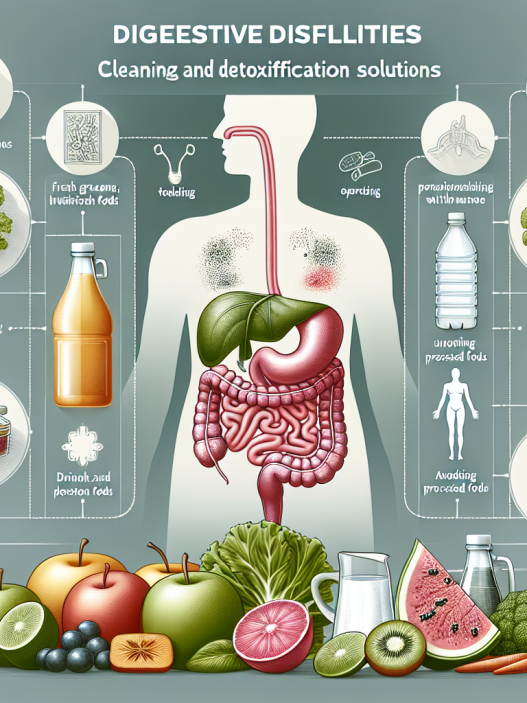
Limpieza y desintoxicación son dos términos que se utilizan comúnmente en el ámbito de la salud y el bienestar. Se refieren a procesos que buscan eliminar toxinas y sustancias nocivas del cuerpo, con el objetivo de mejorar la salud y el funcionamiento del organismo. Sin embargo, es importante tener en cuenta que estos procesos pueden conllevar riesgos de deshidratación si no se realizan de manera adecuada. En esta introducción, exploraremos más a fondo qué son la limpieza y desintoxicación, así como los posibles riesgos de deshidratación asociados a estos procesos.
The Importance of Hydration During Limpieza y Desintoxicación
Limpieza y desintoxicación, or cleansing and detoxification, has become a popular trend in recent years. Many people are turning to these methods to improve their overall health and well-being. While there are numerous benefits to these practices, it is important to also be aware of the potential risks, particularly the risk of dehydration.
During a limpieza y desintoxicación, the body is encouraged to release toxins and impurities through various methods such as fasting, juicing, or consuming specific foods and supplements. This process can be taxing on the body, and it is essential to support it with proper hydration.
Water is crucial for our bodies to function properly. It helps regulate body temperature, aids in digestion, and carries nutrients and oxygen to our cells. During a limpieza y desintoxicación, the body is working overtime to eliminate toxins, and therefore, requires even more water than usual.
One of the main risks of dehydration during a limpieza y desintoxicación is the loss of electrolytes. Electrolytes are minerals that help maintain the balance of fluids in the body. When we become dehydrated, we lose these essential minerals, which can lead to a range of symptoms such as muscle cramps, fatigue, and dizziness.
Moreover, dehydration can also affect the body’s ability to eliminate toxins. Our kidneys play a crucial role in filtering and removing waste from our bodies. When we are dehydrated, the kidneys cannot function properly, and this can hinder the detoxification process. As a result, toxins may build up in the body, causing adverse effects on our health.
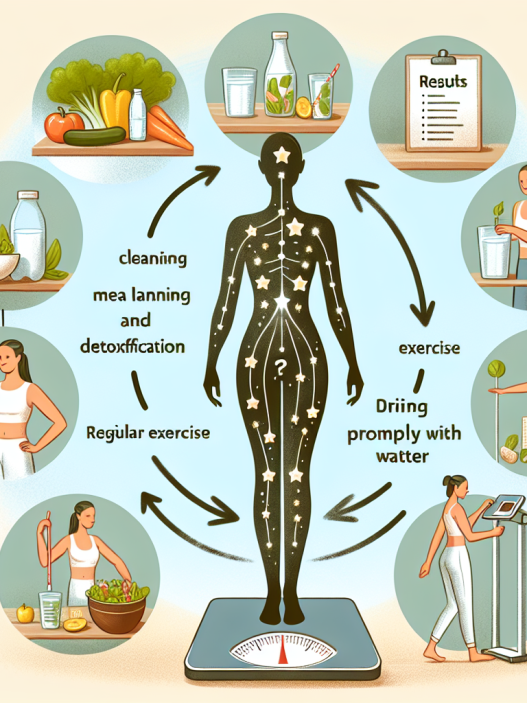
To avoid these risks, it is essential to stay hydrated during a limpieza y desintoxicación. The recommended daily intake of water is eight glasses, but during a cleanse, it is recommended to increase this amount. It is best to listen to your body and drink water whenever you feel thirsty. Additionally, incorporating hydrating foods such as fruits and vegetables can also help maintain proper hydration levels.
Another way to support hydration during a limpieza y desintoxicación is to include electrolyte-rich drinks. Coconut water, for example, is a natural source of electrolytes and can help replenish the minerals lost through sweating or fasting. Herbal teas, such as dandelion or nettle tea, can also be beneficial as they not only provide hydration but also aid in the detoxification process.
It is also crucial to be mindful of the type of water you are consuming during a limpieza y desintoxicación. Tap water may contain chemicals and toxins that can counteract the cleansing process. It is best to opt for filtered or purified water to ensure that you are not introducing any additional toxins into your body.
In addition to staying hydrated, it is essential to listen to your body and adjust your limpieza y desintoxicación accordingly. If you are experiencing severe symptoms of dehydration, it may be necessary to slow down or even stop the cleanse. It is always better to prioritize your health and well-being over completing a cleanse.
In conclusion, hydration is crucial during a limpieza y desintoxicación. It not only supports the body’s detoxification process but also helps prevent potential risks such as dehydration and electrolyte imbalances. Remember to drink plenty of water, incorporate hydrating foods and drinks, and listen to your body’s needs. With proper hydration, you can reap the full benefits of a limpieza y desintoxicación and improve your overall health and well-being.
Potential Risks of Dehydration During Limpieza y Desintoxicación
Limpieza y desintoxicación, or cleansing and detoxification, has become a popular trend in recent years as people seek to improve their overall health and well-being. This process involves eliminating toxins from the body through various methods such as fasting, juicing, and consuming specific foods or supplements. While there are potential benefits to this practice, it is important to be aware of the potential risks, particularly the risk of dehydration.
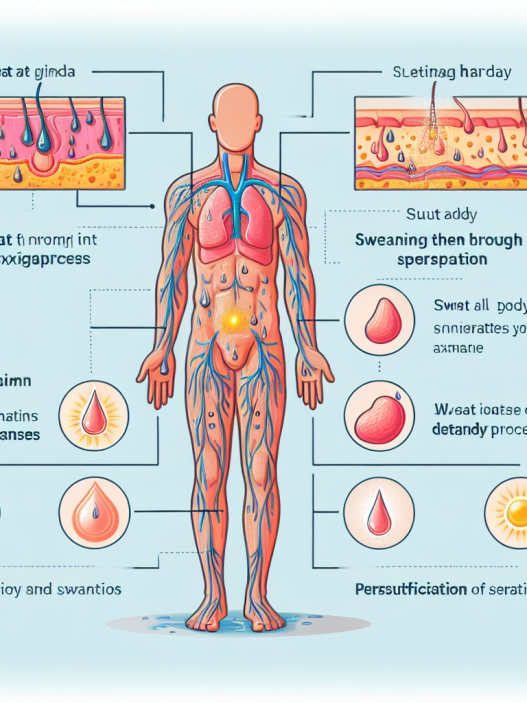
Dehydration occurs when the body loses more fluids than it takes in. This can happen for a variety of reasons, including excessive sweating, vomiting, diarrhea, or not drinking enough water. During a limpieza y desintoxicación, the body is often put through a rigorous process of eliminating toxins, which can lead to increased sweating and fluid loss. Additionally, many cleansing methods involve restricting food intake, which can also contribute to dehydration.
One of the main risks of dehydration during limpieza y desintoxicación is the potential for electrolyte imbalances. Electrolytes are minerals in the body that help regulate important bodily functions such as nerve and muscle function, hydration, and blood pressure. When the body is dehydrated, electrolyte levels can become imbalanced, leading to symptoms such as muscle cramps, dizziness, and fatigue. In severe cases, electrolyte imbalances can even be life-threatening.
Another potential risk of dehydration during limpieza y desintoxicación is the impact on kidney function. The kidneys play a crucial role in filtering waste and toxins from the body. When the body is dehydrated, the kidneys may not function properly, leading to a buildup of toxins in the body. This can cause a range of symptoms, including nausea, headaches, and fatigue. In extreme cases, dehydration can even lead to kidney failure.
In addition to these physical risks, dehydration during limpieza y desintoxicación can also have a negative impact on mental and emotional well-being. Dehydration can cause irritability, difficulty concentrating, and mood swings. These symptoms can be particularly challenging for those undergoing a cleansing process, as they may already be experiencing physical discomfort and changes in their diet.
So, what can be done to prevent dehydration during limpieza y desintoxicación? The most important step is to stay hydrated by drinking plenty of water throughout the day. It is recommended to drink at least eight glasses of water per day, and even more during a cleansing process. It is also important to listen to your body and drink water whenever you feel thirsty. Additionally, incorporating electrolyte-rich foods and drinks, such as coconut water or sports drinks, can help maintain electrolyte balance.
It is also crucial to be mindful of the type of cleansing method you choose. Some methods, such as juice fasts, can be more dehydrating than others. It is important to consult with a healthcare professional before starting any cleansing process to ensure it is safe for your individual needs and to discuss strategies for staying hydrated.
In conclusion, while limpieza y desintoxicación can have potential benefits for overall health and well-being, it is important to be aware of the potential risks, particularly the risk of dehydration. By staying hydrated, incorporating electrolyte-rich foods and drinks, and consulting with a healthcare professional, you can minimize the risk of dehydration and safely reap the benefits of a cleansing process. Remember to listen to your body and prioritize your health and well-being above all else.
Tips for Staying Hydrated and Safe During Limpieza y Desintoxicación
Limpieza y desintoxicación, or cleansing and detoxification, has become a popular trend in recent years. Many people turn to these methods in hopes of improving their overall health and well-being. While there are potential benefits to these practices, it is important to also be aware of the potential risks, particularly the risk of dehydration.
Dehydration occurs when the body loses more fluids than it takes in. This can happen for a variety of reasons, including excessive sweating, vomiting, diarrhea, or not drinking enough water. During a limpieza y desintoxicación, the body is often put through rigorous processes such as fasting, consuming only liquids, or taking supplements that may have a diuretic effect. These practices can increase the risk of dehydration if proper precautions are not taken.
One of the most important tips for staying hydrated during a limpieza y desintoxicación is to drink plenty of water. It is recommended to drink at least eight glasses of water a day, but during a cleanse, it may be necessary to increase this amount. Water helps to flush out toxins from the body and keeps the organs functioning properly. It is also important to note that other beverages, such as coffee, tea, and alcohol, do not count towards your daily water intake and may actually contribute to dehydration.
In addition to drinking enough water, it is also important to replenish electrolytes during a limpieza y desintoxicación. Electrolytes are minerals that help regulate the body’s fluid balance and are lost through sweat and other bodily functions. When electrolytes are imbalanced, it can lead to dehydration. To replenish electrolytes, consider drinking coconut water or adding a pinch of sea salt to your water. You can also consume foods high in electrolytes, such as bananas, avocados, and leafy greens.
Another tip for staying hydrated during a limpieza y desintoxicación is to listen to your body. Pay attention to signs of thirst, such as dry mouth, fatigue, or dizziness. These are all indications that your body needs more fluids. It is also important to monitor the color of your urine. Clear or light yellow urine is a sign of proper hydration, while dark yellow or amber urine may indicate dehydration.
In addition to staying hydrated, it is important to be aware of the potential risks of certain cleansing and detoxification methods. For example, juice cleanses, which involve consuming only fruit and vegetable juices for a period of time, can be high in sugar and low in protein and fiber. This can lead to a spike in blood sugar levels and leave you feeling hungry and fatigued. It is important to consult with a healthcare professional before starting any type of cleanse to ensure it is safe and appropriate for your individual needs.
Furthermore, it is important to be cautious of any supplements or products that claim to aid in detoxification. These products may have diuretic effects, causing an increase in urination and potentially leading to dehydration. It is important to thoroughly research any supplements or products before consuming them and to consult with a healthcare professional.
In conclusion, while limpieza y desintoxicación can have potential benefits for the body, it is important to also be aware of the potential risks, particularly the risk of dehydration. By staying hydrated, replenishing electrolytes, and being cautious of certain methods and products, you can safely and effectively incorporate cleansing and detoxification into your health routine. Remember to always listen to your body and consult with a healthcare professional before making any significant changes to your diet or lifestyle.
Q&A
1. ¿Qué es la limpieza y desintoxicación?
La limpieza y desintoxicación es un proceso en el que se eliminan toxinas y sustancias nocivas del cuerpo, generalmente a través de una dieta específica, suplementos o terapias de desintoxicación. El objetivo es mejorar la salud y el bienestar al eliminar las sustancias que pueden causar enfermedades o afectar el funcionamiento adecuado del cuerpo.
2. ¿Cuáles son los riesgos de deshidratación durante la limpieza y desintoxicación?
Durante la limpieza y desintoxicación, es común seguir una dieta restrictiva y consumir una gran cantidad de líquidos para ayudar a eliminar las toxinas. Sin embargo, si no se bebe suficiente agua, puede haber un riesgo de deshidratación. Esto puede causar síntomas como fatiga, mareos, dolores de cabeza y problemas digestivos.
3. ¿Cómo se puede prevenir la deshidratación durante la limpieza y desintoxicación?
Para prevenir la deshidratación durante la limpieza y desintoxicación, es importante beber suficiente agua y otros líquidos saludables, como té de hierbas o jugos naturales. También se recomienda seguir una dieta equilibrada y variada para asegurarse de obtener los nutrientes necesarios para mantenerse hidratado. Siempre es importante escuchar a tu cuerpo y asegurarte de que estás consumiendo suficientes líquidos para mantenerte saludable durante el proceso de limpieza y desintoxicación.