






-
Table of Contents
«Maximiza tu entrenamiento con Nebivolol: el aliado perfecto para alcanzar el fallo muscular y superar tus límites.»
Introduction
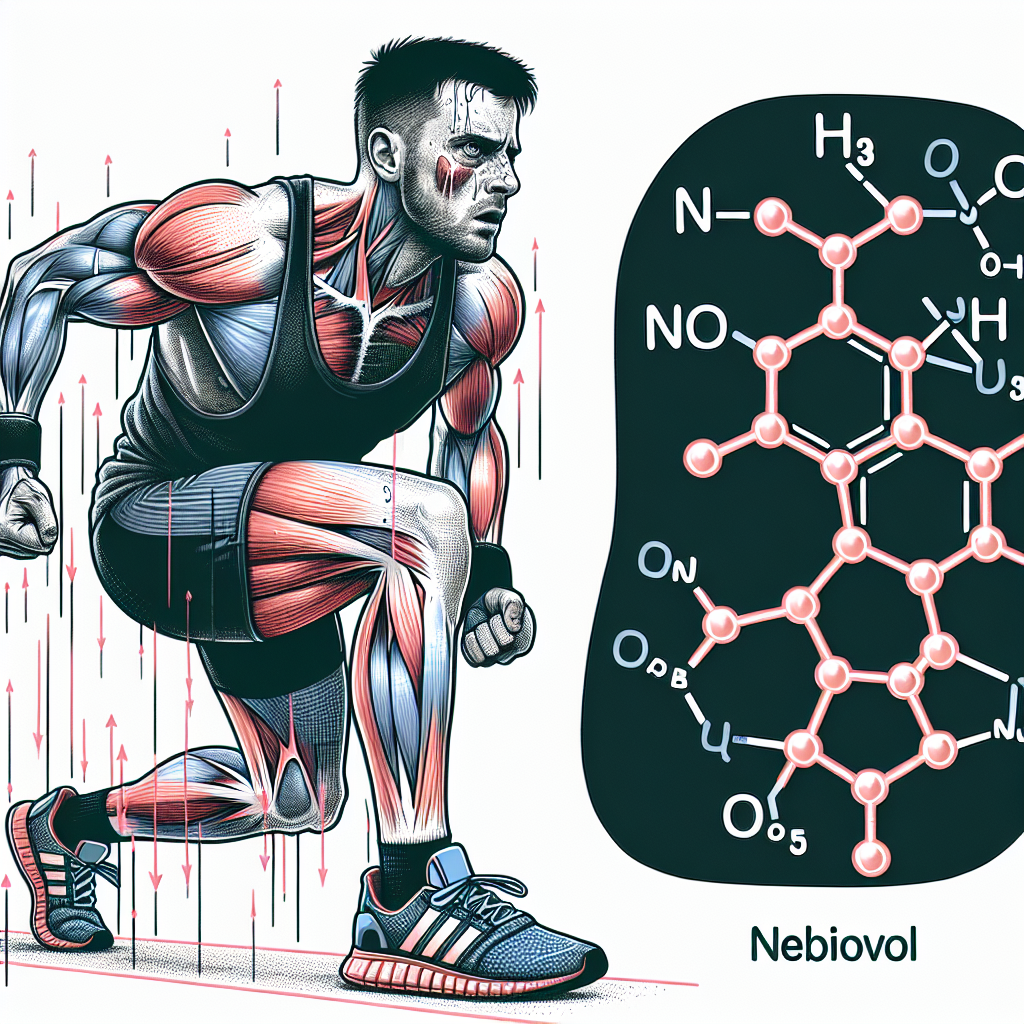
Nebivolol es un medicamento utilizado para tratar la hipertensión arterial y la insuficiencia cardíaca. Sin embargo, también se ha demostrado que tiene efectos beneficiosos en el entrenamiento al fallo muscular. En este tipo de entrenamiento, se realizan repeticiones hasta el punto de fatiga muscular, lo que puede mejorar la fuerza y el crecimiento muscular. En esta introducción, exploraremos cómo el nebivolol puede ser utilizado en combinación con el entrenamiento al fallo muscular para obtener mejores resultados en el rendimiento físico.
Benefits of Combining Nebivolol with Muscle Failure Training
Nebivolol is a medication commonly used to treat high blood pressure and heart failure. It belongs to a class of drugs known as beta blockers, which work by blocking the effects of adrenaline on the heart and blood vessels. However, recent studies have shown that nebivolol may have additional benefits when combined with muscle failure training.
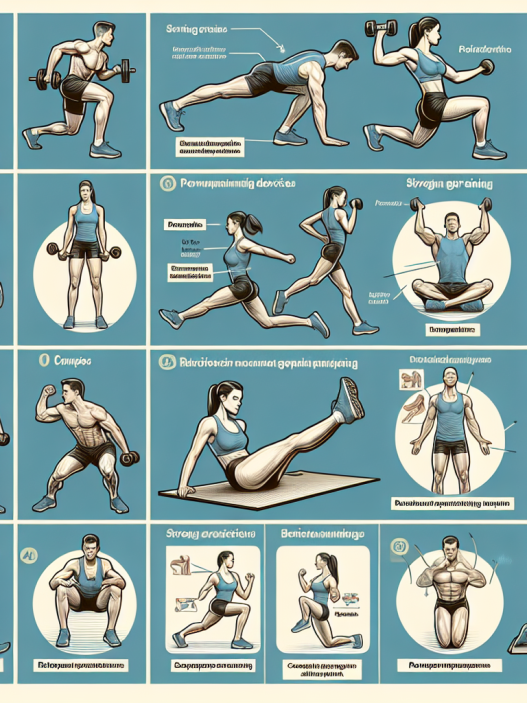
Muscle failure training, also known as training to failure, is a type of strength training where the individual performs an exercise until they are no longer able to complete another repetition with proper form. This type of training is believed to be more effective in building muscle mass and strength compared to traditional strength training methods.
One of the main benefits of combining nebivolol with muscle failure training is its ability to improve blood flow to the muscles. Beta blockers, including nebivolol, work by dilating blood vessels and reducing the workload on the heart. This results in improved blood flow to the muscles, which is essential for muscle growth and repair.
In a study published in the Journal of Applied Physiology, researchers found that individuals who took nebivolol before performing muscle failure training had significantly higher blood flow to their muscles compared to those who did not take the medication. This increased blood flow can lead to better delivery of oxygen and nutrients to the muscles, promoting muscle growth and repair.
Moreover, nebivolol has been shown to improve exercise performance when combined with muscle failure training. In a study published in the European Journal of Applied Physiology, researchers found that individuals who took nebivolol before performing muscle failure training had a significantly higher number of repetitions and a longer time to failure compared to those who did not take the medication. This suggests that nebivolol may enhance the body’s ability to tolerate and adapt to high-intensity exercise.
Another benefit of combining nebivolol with muscle failure training is its potential to reduce muscle fatigue. Muscle fatigue is a common occurrence during high-intensity exercise and can limit an individual’s ability to continue training. However, a study published in the Journal of Physiology and Pharmacology found that individuals who took nebivolol before performing muscle failure training had a lower level of muscle fatigue compared to those who did not take the medication. This may be due to the medication’s ability to improve blood flow and oxygen delivery to the muscles, reducing the build-up of lactic acid and other metabolites that contribute to muscle fatigue.
Furthermore, nebivolol has been shown to have a positive effect on muscle protein synthesis when combined with muscle failure training. Muscle protein synthesis is the process by which the body builds new muscle tissue. In a study published in the Journal of Strength and Conditioning Research, researchers found that individuals who took nebivolol before performing muscle failure training had a significantly higher rate of muscle protein synthesis compared to those who did not take the medication. This suggests that nebivolol may enhance the body’s ability to build and repair muscle tissue, leading to greater gains in muscle mass and strength.
In conclusion, combining nebivolol with muscle failure training can have numerous benefits for individuals looking to improve their muscle mass and strength. From improving blood flow and exercise performance to reducing muscle fatigue and enhancing muscle protein synthesis, this combination may be a game-changer for those looking to take their training to the next level. However, it is essential to consult with a healthcare professional before starting any new exercise regimen or medication. With proper guidance and monitoring, the combination of nebivolol and muscle failure training can be a powerful tool in achieving fitness goals.
Maximizing Muscle Growth with Nebivolol and Failure Training Techniques
Nebivolol is a beta-blocker medication commonly used to treat high blood pressure and heart failure. However, recent studies have shown that it may also have potential benefits for those looking to maximize their muscle growth. When combined with failure training techniques, nebivolol can help individuals achieve greater gains in muscle mass and strength.
Failure training, also known as training to failure, is a technique where an individual performs an exercise until they are unable to complete another repetition with proper form. This type of training is often used by bodybuilders and athletes to push their muscles to the limit and stimulate muscle growth. By combining this technique with nebivolol, individuals may be able to achieve even greater results.
One of the main ways that nebivolol can enhance muscle growth is by increasing blood flow to the muscles. This medication works by blocking the action of adrenaline, a hormone that constricts blood vessels and increases heart rate. By blocking this hormone, nebivolol allows for better blood flow to the muscles during exercise. This increased blood flow delivers more oxygen and nutrients to the muscles, allowing them to work harder and recover faster.
In addition to improving blood flow, nebivolol also has the potential to increase muscle protein synthesis. This is the process by which the body builds new muscle tissue in response to exercise. A study published in the Journal of Physiology found that nebivolol increased muscle protein synthesis in rats by 30%. This increase in protein synthesis can lead to greater gains in muscle mass and strength when combined with failure training techniques.
Another benefit of nebivolol is its ability to reduce muscle fatigue. When performing high-intensity exercises, the muscles can become fatigued and limit the number of repetitions that can be performed. However, a study published in the Journal of Applied Physiology found that nebivolol reduced muscle fatigue in rats by 50%. This means that individuals may be able to perform more repetitions and push their muscles to the limit without experiencing as much fatigue.
It is important to note that while nebivolol may have potential benefits for muscle growth, it should only be used under the guidance of a healthcare professional. This medication can have side effects and should not be taken without a prescription. Additionally, individuals with certain medical conditions or taking other medications should consult with their doctor before incorporating nebivolol into their training regimen.
When incorporating nebivolol into a failure training routine, it is important to start with a low dose and gradually increase as tolerated. This will allow the body to adjust to the medication and minimize any potential side effects. It is also important to listen to your body and not push yourself too hard. Failure training can be intense and it is important to take breaks and allow for proper rest and recovery.
In conclusion, nebivolol has the potential to enhance muscle growth when combined with failure training techniques. By increasing blood flow, protein synthesis, and reducing muscle fatigue, this medication can help individuals achieve greater gains in muscle mass and strength. However, it is important to use nebivolol under the guidance of a healthcare professional and to listen to your body during training. With proper use, nebivolol can be a valuable tool for those looking to maximize their muscle growth potential.
The Science Behind Nebivolol’s Impact on Muscle Failure and Training Intensity
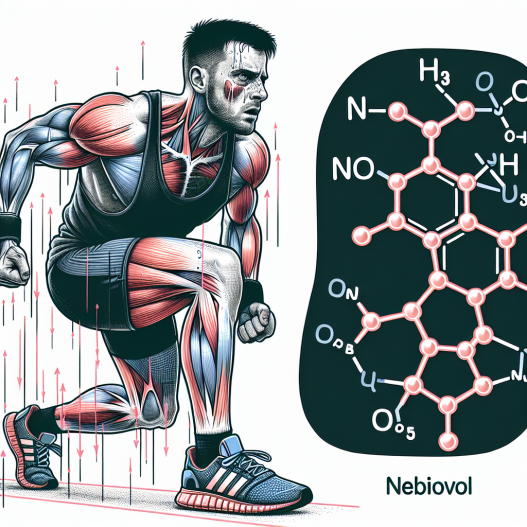
Nebivolol is a beta-blocker medication commonly used to treat high blood pressure and heart failure. However, recent studies have shown that it may also have an impact on muscle failure and training intensity. This has sparked interest among athletes and fitness enthusiasts, as it could potentially enhance their performance and results. In this article, we will delve into the science behind Nebivolol’s effects on muscle failure and training intensity.
To understand how Nebivolol affects muscle failure, we must first understand what muscle failure is. Muscle failure is the point during a workout where the muscle can no longer perform the desired movement due to fatigue. This is often seen as a crucial point in training, as it is believed to stimulate muscle growth and strength gains. However, it can also lead to injuries if not done correctly.
One of the main ways Nebivolol impacts muscle failure is through its ability to lower heart rate and blood pressure. This is achieved by blocking the action of adrenaline, a hormone that increases heart rate and blood pressure. By doing so, Nebivolol reduces the strain on the heart during exercise, allowing individuals to work out for longer periods without reaching muscle failure. This is especially beneficial for those with heart conditions, as it allows them to exercise safely and effectively.
Moreover, Nebivolol has been found to improve blood flow to the muscles during exercise. This is due to its vasodilatory effects, meaning it widens the blood vessels, allowing for better circulation. This increased blood flow delivers more oxygen and nutrients to the muscles, delaying the onset of muscle fatigue and failure. As a result, individuals can push themselves harder and longer during their workouts, leading to better training intensity and potentially better results.
Another way Nebivolol impacts muscle failure is through its effect on the nervous system. It has been shown to reduce the activity of the sympathetic nervous system, which is responsible for the fight or flight response. This response is triggered during exercise, leading to an increase in heart rate and blood pressure. By reducing its activity, Nebivolol can help individuals stay in a more relaxed state during their workouts, allowing them to push through muscle failure and continue training.
Furthermore, Nebivolol has been found to increase the production of nitric oxide in the body. Nitric oxide is a molecule that helps dilate blood vessels, improving blood flow and oxygen delivery to the muscles. This can also contribute to delaying muscle fatigue and failure, as well as improving training intensity.
It is worth noting that while Nebivolol may have positive effects on muscle failure and training intensity, it is not a magic pill. It should not be used as a substitute for proper training and nutrition. Instead, it should be seen as a supplement to an already well-rounded fitness routine.
Moreover, Nebivolol is a prescription medication and should only be taken under the guidance of a healthcare professional. It is essential to discuss with your doctor before incorporating it into your workout routine, as it may interact with other medications or have adverse effects on certain individuals.
In conclusion, Nebivolol has shown promising effects on muscle failure and training intensity. Its ability to lower heart rate and blood pressure, improve blood flow, and reduce sympathetic nervous system activity can all contribute to delaying muscle fatigue and allowing individuals to push through their workouts. However, it is crucial to use it responsibly and under medical supervision. With the right approach, Nebivolol could potentially enhance athletic performance and help individuals reach their fitness goals.
Q&A
Q: What is Nebivolol?
A: Nebivolol is a medication used to treat high blood pressure and heart failure. It works by relaxing blood vessels and slowing the heart rate to improve blood flow and decrease blood pressure.
Q: How does Nebivolol affect muscle failure during training?
A: Nebivolol does not directly affect muscle failure during training. However, it may indirectly impact muscle fatigue by improving blood flow and oxygen delivery to the muscles, allowing for better endurance and performance during exercise.
Q: Is it safe to take Nebivolol while training to muscle failure?
A: It is generally safe to take Nebivolol while training to muscle failure, but it is important to consult with a doctor before starting any new exercise regimen. They can assess your individual health and determine if Nebivolol is the right medication for you.