



-
Table of Contents
«Protect your skin while managing your cholesterol with Ezetimibe.»
Introduction
Ezetimiba es un medicamento utilizado para reducir los niveles de colesterol en la sangre. Sin embargo, como con cualquier medicamento, puede producir efectos secundarios en algunas personas. Uno de estos efectos secundarios puede ser cambios en la piel. Si experimentas cambios en tu piel mientras tomas Ezetimiba, es importante que sepas qué hacer para manejarlos adecuadamente. A continuación, te explicaremos qué hacer si Ezetimiba produce cambios en la piel y cómo puedes cuidar tu piel durante el tratamiento.
Understanding the Side Effects of Ezetimibe on Skin Health
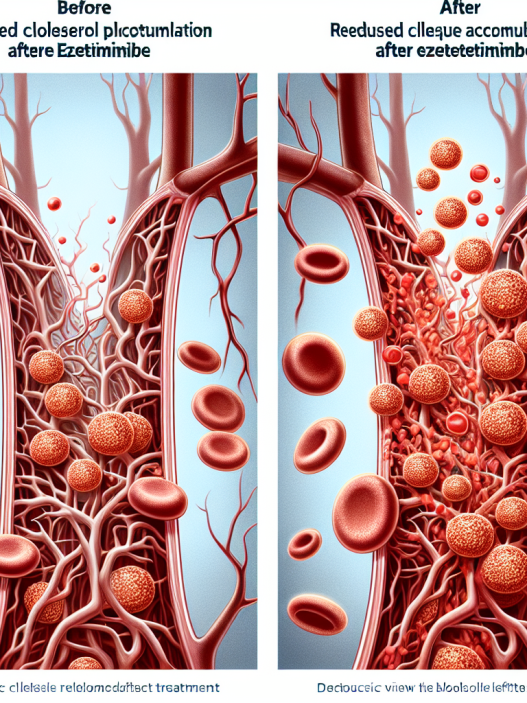
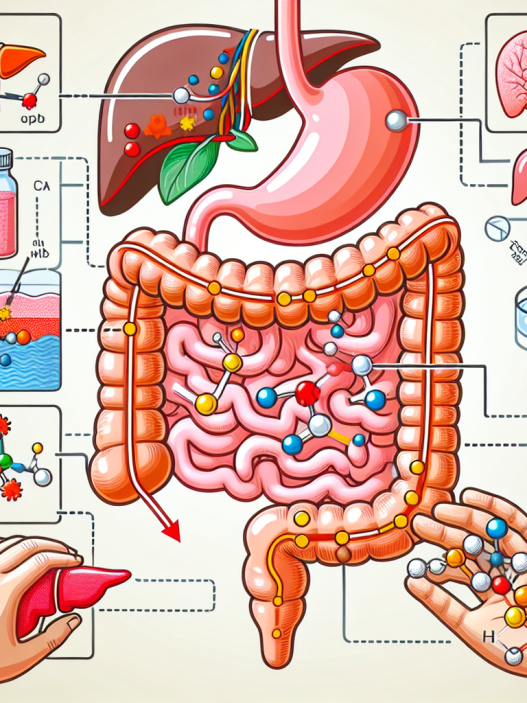
Ezetimibe is a medication commonly prescribed to lower cholesterol levels in individuals with high cholesterol. It works by blocking the absorption of cholesterol in the small intestine, thereby reducing the amount of cholesterol in the bloodstream. While this medication is generally well-tolerated, like any medication, it can produce side effects in some individuals. One of the potential side effects of Ezetimibe is changes in the skin. In this article, we will discuss what these changes may look like, why they occur, and what you can do to manage them.
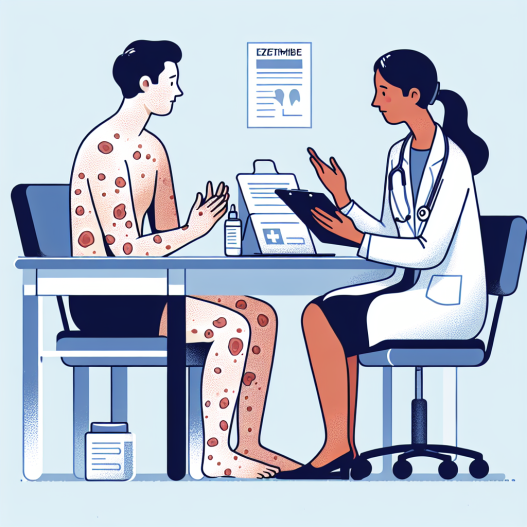
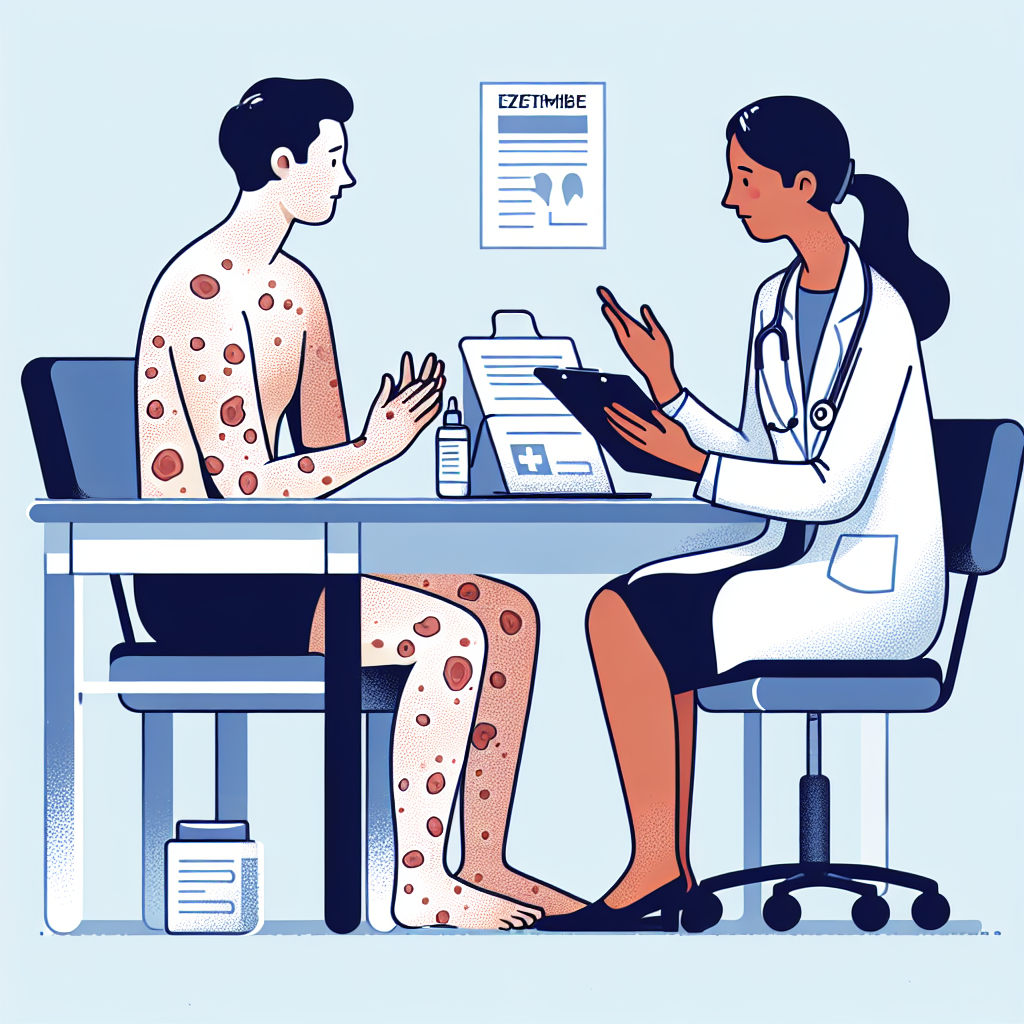
Firstly, it is important to note that not everyone who takes Ezetimibe will experience changes in their skin. However, for those who do, the most common side effect is a rash. This rash can appear as red, itchy bumps or patches on the skin. It may also be accompanied by swelling and tenderness. In some cases, the rash may be severe and cover a large area of the body. Other skin changes that have been reported with Ezetimibe use include dryness, flakiness, and peeling of the skin.
So why does Ezetimibe cause these changes in the skin? The exact mechanism is not fully understood, but it is believed that the medication may trigger an allergic reaction in some individuals. This can lead to the release of histamine, a chemical that causes inflammation and irritation in the skin. Additionally, Ezetimibe may also affect the production of certain proteins in the skin, leading to dryness and peeling.
If you are experiencing changes in your skin while taking Ezetimibe, it is important to consult your doctor. They will be able to assess the severity of your symptoms and determine the best course of action. In most cases, the first step will be to discontinue the medication and switch to an alternative cholesterol-lowering drug. However, if your doctor believes that the benefits of Ezetimibe outweigh the potential side effects, they may recommend continuing the medication and managing the skin changes with other treatments.
One of the most effective ways to manage skin changes caused by Ezetimibe is to use topical corticosteroids. These medications work by reducing inflammation and can help alleviate the itching and redness associated with the rash. Your doctor may also prescribe antihistamines to help with the allergic reaction. In severe cases, oral corticosteroids may be necessary to control the symptoms.
In addition to medication, there are also some self-care measures you can take to help manage skin changes caused by Ezetimibe. Firstly, it is important to keep your skin clean and moisturized. Use gentle, fragrance-free cleansers and moisturizers to avoid further irritation. Avoid scratching or picking at the affected area, as this can worsen the rash and increase the risk of infection. If you are experiencing dryness and peeling, using a thick moisturizer or ointment can help soothe and hydrate the skin.
It is also important to avoid any potential triggers that may worsen the skin changes. This may include exposure to harsh chemicals, extreme temperatures, or certain fabrics. If you are unsure of what may be causing your skin changes, keeping a diary of your symptoms and activities can help you identify any potential triggers.
In conclusion, while Ezetimibe is a commonly prescribed medication for high cholesterol, it can produce changes in the skin as a side effect. These changes may include a rash, dryness, and peeling of the skin. If you experience any of these symptoms, it is important to consult your doctor for proper management. With the right treatment and self-care measures, you can effectively manage these skin changes and continue to benefit from the cholesterol-lowering effects of Ezetimibe.
Tips for Managing Skin Changes Caused by Ezetimibe
Ezetimibe is a medication commonly used to lower cholesterol levels in individuals with high cholesterol. While it is generally well-tolerated, some people may experience skin changes as a side effect of taking this medication. These changes can range from mild irritation to more severe reactions. If you are experiencing skin changes while taking ezetimibe, it is important to know how to manage them effectively. In this article, we will discuss some tips for managing skin changes caused by ezetimibe.
First and foremost, it is important to consult with your doctor if you notice any skin changes while taking ezetimibe. Your doctor will be able to determine if the changes are indeed caused by the medication or if there may be another underlying issue. They may also be able to provide you with specific recommendations for managing the skin changes.
One of the most common skin changes associated with ezetimibe is dryness. This can occur on any part of the body, but is most commonly seen on the face, hands, and feet. To combat dryness, it is important to keep your skin well-hydrated. This can be achieved by using a moisturizer regularly, especially after showering or washing your hands. Look for moisturizers that are specifically designed for dry skin and avoid products with harsh chemicals or fragrances, as these can further irritate the skin.
In addition to dryness, some people may experience redness or irritation on their skin while taking ezetimibe. This can be due to an allergic reaction to the medication or a sensitivity to one of its ingredients. If you notice redness or irritation, it is important to stop using the medication and consult with your doctor. They may recommend an alternative medication or prescribe a topical cream to help soothe the affected area.
Another skin change that may occur with ezetimibe is acne. This is more commonly seen in younger individuals or those with a history of acne. If you notice an increase in acne while taking this medication, it is important to maintain a good skincare routine. This includes washing your face twice a day with a gentle cleanser and using non-comedogenic moisturizers and makeup products. You may also want to consult with a dermatologist for additional treatment options.
In some cases, ezetimibe may cause a more severe skin reaction known as Stevens-Johnson syndrome. This is a rare but serious condition that requires immediate medical attention. Symptoms may include a widespread rash, blisters, and peeling skin. If you experience any of these symptoms, stop taking the medication and seek medical help right away.
Aside from these tips, there are also some general measures you can take to help manage skin changes caused by ezetimibe. These include avoiding hot showers or baths, as hot water can strip the skin of its natural oils and worsen dryness. It is also important to wear sunscreen when going outside, as some medications can make the skin more sensitive to the sun. Additionally, try to avoid scratching or picking at any irritated areas, as this can lead to further damage and potential infection.
In conclusion, skin changes can be a common side effect of taking ezetimibe. However, with proper management and care, these changes can be minimized or even avoided. Remember to consult with your doctor if you notice any skin changes while taking this medication, and follow their recommendations for managing them. By taking these steps, you can help maintain healthy and comfortable skin while reaping the benefits of ezetimibe for your cholesterol levels.
Alternative Treatment Options for High Cholesterol without Skin Side Effects
High cholesterol is a common health issue that affects millions of people worldwide. It is a condition where there is an excessive amount of cholesterol in the blood, which can lead to serious health problems such as heart disease and stroke. To manage high cholesterol, doctors often prescribe medications such as Ezetimiba. While this medication is effective in lowering cholesterol levels, it can also produce changes in the skin. In this article, we will discuss alternative treatment options for high cholesterol without skin side effects.
Before we delve into alternative treatment options, it is important to understand why Ezetimiba can cause changes in the skin. This medication works by blocking the absorption of cholesterol in the small intestine. However, it can also affect the absorption of other nutrients, including fat-soluble vitamins like vitamin D. This can lead to deficiencies in these vitamins, which can manifest as changes in the skin.
One alternative treatment option for high cholesterol without skin side effects is making lifestyle changes. This includes adopting a healthy diet and increasing physical activity. A diet rich in fruits, vegetables, whole grains, and lean proteins can help lower cholesterol levels. Regular exercise can also help improve cholesterol levels and overall cardiovascular health.
Another alternative treatment option is the use of natural supplements. Some supplements, such as fish oil and plant sterols, have been shown to lower cholesterol levels without causing changes in the skin. However, it is important to consult with a healthcare professional before taking any supplements, as they may interact with other medications or have side effects.
Acupuncture is another alternative treatment that has been shown to be effective in managing high cholesterol. This traditional Chinese medicine involves the insertion of thin needles into specific points on the body to stimulate energy flow. Studies have shown that acupuncture can help lower cholesterol levels and improve overall cardiovascular health.
In addition to these alternative treatment options, there are also natural remedies that can help manage high cholesterol without causing changes in the skin. These include garlic, turmeric, and green tea. These natural ingredients have been shown to have cholesterol-lowering properties and can be easily incorporated into one’s diet.
It is also important to note that managing stress levels can also help improve cholesterol levels. Chronic stress can lead to an increase in cholesterol levels, so finding ways to reduce stress, such as practicing relaxation techniques or engaging in enjoyable activities, can be beneficial.
In some cases, high cholesterol may be caused by an underlying medical condition. In these cases, treating the underlying condition can help improve cholesterol levels and prevent skin side effects from medications. It is important to consult with a healthcare professional to determine the root cause of high cholesterol and develop a treatment plan that addresses both the cholesterol levels and any underlying conditions.
In conclusion, while Ezetimiba is an effective medication for managing high cholesterol, it can also produce changes in the skin. However, there are alternative treatment options available that can help lower cholesterol levels without causing skin side effects. Making lifestyle changes, using natural supplements, trying acupuncture, incorporating natural remedies, and managing stress levels are all viable options for managing high cholesterol without affecting the skin. It is important to consult with a healthcare professional before making any changes to your treatment plan and to monitor cholesterol levels regularly to ensure they are within a healthy range. With the right approach, high cholesterol can be managed effectively without compromising skin health.
Q&A
1) ¿Qué debo hacer si noto cambios en mi piel mientras tomo Ezetimiba?
Si experimenta cambios en su piel mientras toma Ezetimiba, es importante que consulte a su médico de inmediato. Puede ser un efecto secundario del medicamento y su médico podrá evaluar si es necesario ajustar su dosis o cambiar a un medicamento diferente.
2) ¿Cuáles son los posibles cambios en la piel que pueden ser causados por Ezetimiba?
Algunos de los posibles cambios en la piel que pueden ser causados por Ezetimiba incluyen erupciones cutáneas, enrojecimiento, picazón, hinchazón o descamación. También puede experimentar cambios en la textura de la piel o sensibilidad al sol.
3) ¿Puedo tomar algún medicamento para tratar los cambios en la piel causados por Ezetimiba?
No se recomienda tomar ningún medicamento sin consultar primero a su médico. Dependiendo de la gravedad de los cambios en la piel, su médico puede recomendar un tratamiento tópico o un medicamento oral para aliviar los síntomas. También es importante evitar la exposición al sol y usar protector solar para proteger su piel.