





-
Table of Contents
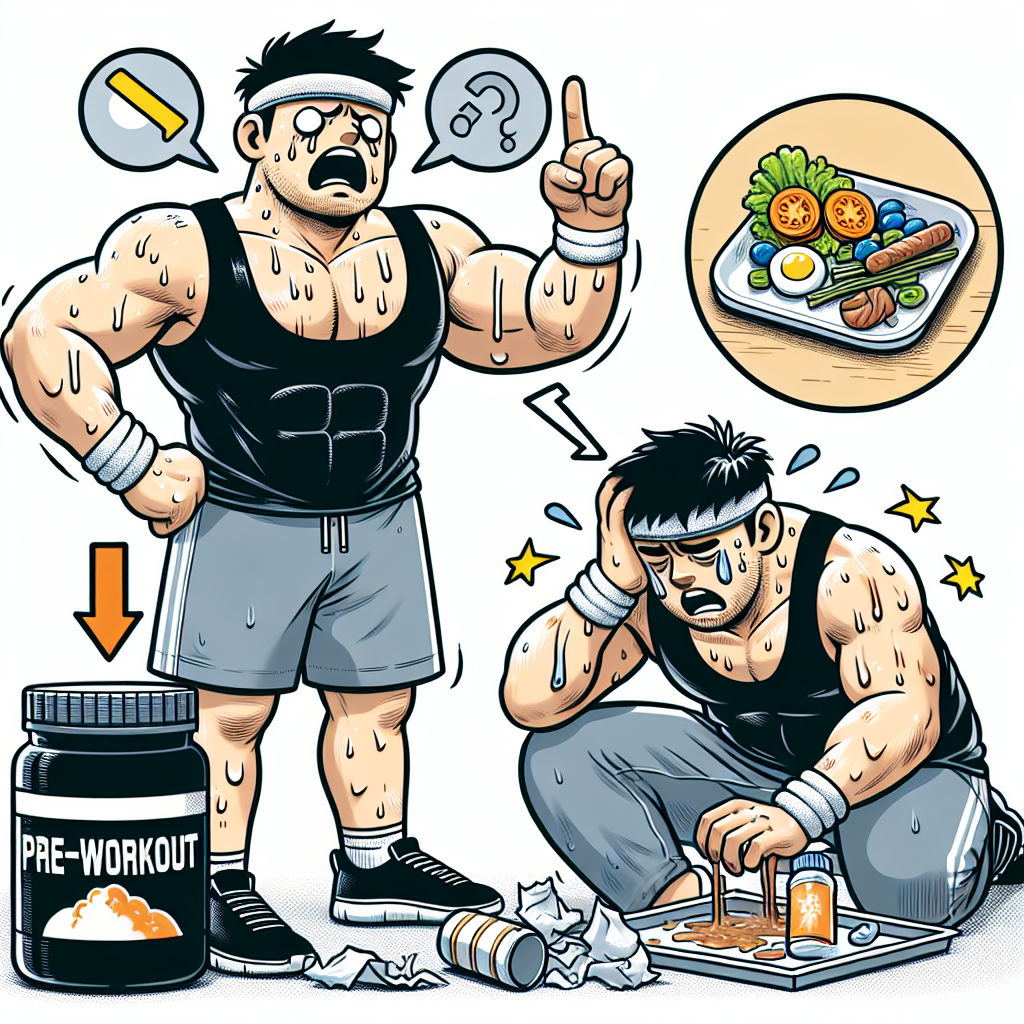
«Boost your workout, not your fat intake – the consequences of using Pre-Workout without enough fat consumption.»
Introduction
Pre-Entrenamiento es un suplemento popular utilizado por muchos atletas y entusiastas del fitness para mejorar su rendimiento durante el ejercicio. Sin embargo, es importante tener en cuenta que este tipo de suplemento no debe ser utilizado como sustituto de una dieta equilibrada y adecuada. En particular, si no se consumen suficientes grasas en la dieta, puede haber efectos negativos en el uso de Pre-Entrenamiento. En este artículo, exploraremos qué sucede si se usa Pre-Entrenamiento sin consumir grasas suficientes y por qué es importante mantener una ingesta adecuada de grasas en la dieta.
The Importance of Consuming Adequate Fats Before Taking Pre-Workout
Pre-workout supplements have become increasingly popular among fitness enthusiasts and athletes. These supplements are designed to provide an extra boost of energy, focus, and endurance during workouts. However, many people overlook the importance of consuming adequate fats before taking pre-workout. In this article, we will discuss what happens when you use pre-workout without consuming enough fats and why it is crucial to include healthy fats in your pre-workout routine.
First and foremost, it is essential to understand the role of fats in our bodies. Fats are a vital macronutrient that provides energy, supports cell growth, and helps in the absorption of vitamins. They also play a crucial role in hormone production and regulation. Without enough fat intake, our bodies cannot function optimally, and this can have a significant impact on our workouts.
When we consume fats, our bodies break them down into fatty acids, which are then used as a source of energy. During exercise, our bodies rely on these fatty acids to fuel our muscles. However, if we do not consume enough fats, our bodies will not have an adequate supply of fatty acids, leading to a lack of energy and endurance during workouts. This can result in a decrease in performance and hinder our progress towards our fitness goals.
Moreover, fats also play a crucial role in the absorption of fat-soluble vitamins, such as vitamins A, D, E, and K. These vitamins are essential for maintaining healthy bones, skin, and immune system. Without enough fat intake, our bodies cannot absorb these vitamins efficiently, leading to deficiencies that can affect our overall health and well-being.
Now, let’s discuss the impact of not consuming enough fats before taking pre-workout supplements. Pre-workout supplements often contain stimulants such as caffeine, which can increase heart rate and blood pressure. When consumed on an empty stomach or without enough fat intake, these stimulants can cause a spike in blood sugar levels, leading to a crash later on. This can result in a sudden drop in energy levels, making it challenging to sustain a high-intensity workout.
Furthermore, pre-workout supplements also contain ingredients such as creatine, beta-alanine, and citrulline, which are known to cause stomach discomfort and bloating. Consuming these supplements without enough fats can exacerbate these side effects, making it uncomfortable to work out. Healthy fats can help in reducing these side effects by slowing down the absorption of these ingredients, allowing our bodies to adjust to them gradually.
In addition to providing energy and reducing side effects, consuming adequate fats before taking pre-workout supplements can also improve their effectiveness. As mentioned earlier, fats play a crucial role in the absorption of vitamins. Many pre-workout supplements contain vitamins and minerals that are essential for muscle growth and recovery. Without enough fat intake, our bodies cannot absorb these nutrients efficiently, reducing the effectiveness of the supplement.
In conclusion, consuming adequate fats before taking pre-workout supplements is crucial for optimal performance and overall health. Fats provide energy, aid in the absorption of vitamins, and reduce side effects, making them an essential part of our pre-workout routine. It is recommended to consume a balanced meal containing healthy fats, carbohydrates, and protein at least 1-2 hours before taking pre-workout. This will ensure that our bodies have enough energy and nutrients to support our workouts and help us achieve our fitness goals. So, next time you reach for your pre-workout supplement, make sure to include healthy fats in your pre-workout meal for maximum benefits.
Potential Side Effects of Using Pre-Workout Without Enough Fat Intake
Pre-workout supplements have become increasingly popular among fitness enthusiasts and athletes looking to enhance their performance and achieve their fitness goals. These supplements are designed to provide an energy boost, increase focus and endurance, and improve overall workout performance. However, many people may not be aware of the potential side effects of using pre-workout without consuming enough fats.
Fats are an essential macronutrient that plays a crucial role in our body’s functioning. They provide energy, support cell growth, protect organs, and help absorb vitamins. When it comes to exercise, fats are an important source of energy, especially during high-intensity workouts. Without enough fat intake, our bodies may not be able to perform at their best, and this can have negative consequences when combined with pre-workout supplements.
One of the potential side effects of using pre-workout without enough fat intake is a decrease in energy levels. Pre-workout supplements are designed to provide a quick burst of energy, but without enough fats, this energy boost may not last long. Fats are a slow-burning source of energy, and without them, our bodies may not have enough fuel to sustain a high-intensity workout. This can lead to fatigue, decreased performance, and even dizziness or lightheadedness.
Moreover, consuming enough fats is crucial for the proper functioning of our nervous system. Pre-workout supplements often contain stimulants such as caffeine, which can increase heart rate and blood pressure. When combined with a lack of fats, this can put extra strain on the nervous system, leading to jitters, anxiety, and even heart palpitations. These symptoms can be uncomfortable and may interfere with your workout or daily activities.
Another potential side effect of using pre-workout without enough fat intake is digestive issues. Fats play a crucial role in the digestion process, as they help slow down the absorption of nutrients, allowing our bodies to properly break down and utilize them. Without enough fats, pre-workout supplements may be absorbed too quickly, leading to stomach discomfort, bloating, and even diarrhea. This can be especially problematic for those with sensitive stomachs or digestive issues.
Furthermore, fats are essential for the absorption of fat-soluble vitamins, such as vitamins A, D, E, and K. These vitamins are crucial for our overall health and well-being, and without enough fats, our bodies may not be able to absorb them properly. This can lead to deficiencies and potential health issues in the long run.
In addition to these potential side effects, using pre-workout without enough fat intake can also have a negative impact on our hormones. Fats are necessary for the production of hormones, including testosterone, which is crucial for muscle growth and repair. Without enough fats, our bodies may not be able to produce enough testosterone, leading to a decrease in muscle mass and strength.
It is also important to note that not all fats are created equal. While some people may try to limit their fat intake for weight loss purposes, it is important to consume healthy fats from sources such as avocados, nuts, and olive oil. These fats provide essential nutrients and are crucial for our overall health and well-being.
In conclusion, while pre-workout supplements can be beneficial for enhancing performance, it is important to consume enough fats to avoid potential side effects. Fats provide energy, support our nervous system, aid in digestion, and play a crucial role in hormone production. Without enough fats, our bodies may not be able to perform at their best, and this can have negative consequences on our workout and overall health. So, make sure to include healthy fats in your diet to reap the full benefits of pre-workout supplements.
How to Properly Fuel Your Body for Optimal Pre-Workout Performance
When it comes to working out, many people turn to pre-workout supplements to give them an extra boost of energy and focus. These supplements often contain a mix of ingredients such as caffeine, creatine, and amino acids, all aimed at enhancing athletic performance. However, what many people fail to realize is that the effectiveness of these supplements can be greatly impacted by their diet, specifically their fat intake.
Fat is an essential macronutrient that plays a crucial role in our overall health and well-being. It provides us with energy, helps regulate our hormones, and aids in the absorption of vitamins and minerals. When it comes to pre-workout performance, fat is especially important as it helps fuel our bodies and sustain us during intense physical activity.
So, what happens if you use a pre-workout supplement without consuming enough fat? The answer is simple – your performance will suffer. Without an adequate amount of fat in your diet, your body will not have the necessary fuel to power through your workout, and you may experience a range of negative side effects.
One of the main issues with not consuming enough fat before a workout is a lack of energy. Fat is a slow-burning fuel source, meaning it provides a steady stream of energy over an extended period. This is in contrast to carbohydrates, which provide a quick burst of energy but can also lead to a crash. Without enough fat in your system, you may find yourself feeling fatigued and unable to sustain your workout intensity.
In addition to energy, fat also plays a crucial role in muscle building and recovery. When we exercise, we create tiny tears in our muscles, and it is through the repair of these tears that our muscles grow and become stronger. Fat is essential in this process as it helps transport nutrients and oxygen to our muscles, aiding in their repair and growth. Without enough fat, our muscles may not recover as quickly, leading to decreased performance and potential injury.
Another issue that can arise from not consuming enough fat before a workout is a decrease in focus and concentration. Many pre-workout supplements contain caffeine, which is known for its ability to increase alertness and focus. However, without enough fat in your system, the caffeine may not be as effective. Fat helps slow down the absorption of caffeine, allowing it to have a more sustained and prolonged effect. Without this slow-down, you may experience a quick spike in energy and focus, followed by a crash, leaving you feeling unfocused and unable to perform at your best.
Furthermore, not consuming enough fat can also lead to digestive issues. Many pre-workout supplements contain a high amount of caffeine, which can be harsh on the stomach. Fat helps coat the lining of the stomach, protecting it from the potential negative effects of caffeine. Without enough fat, you may experience stomach discomfort, nausea, or even diarrhea, all of which can greatly impact your workout performance.
In conclusion, it is crucial to properly fuel your body with an adequate amount of fat before a workout. Not only does fat provide us with energy and aid in muscle building and recovery, but it also helps enhance the effects of pre-workout supplements. So, before reaching for that pre-workout drink, make sure to include some healthy fats in your diet, such as avocado, nuts, or olive oil. Your body will thank you, and you will be able to perform at your best during your workout.
Q&A
1) ¿Qué sucede si usas Pre-Entrenamiento sin consumir grasas suficientes?
Si no consumes suficientes grasas antes de tomar un suplemento de Pre-Entrenamiento, es posible que no obtengas los beneficios completos del producto. Las grasas son una fuente importante de energía para el cuerpo durante el ejercicio, y si no tienes suficiente, es posible que te sientas cansado o con falta de energía durante tu entrenamiento.
2) ¿Puedo tomar Pre-Entrenamiento sin consumir grasas?
Sí, puedes tomar Pre-Entrenamiento sin consumir grasas, pero es importante asegurarte de tener una dieta equilibrada y suficiente energía para tu entrenamiento. Si no consumes grasas, asegúrate de obtener suficientes carbohidratos y proteínas para proporcionar energía a tu cuerpo durante el ejercicio.
3) ¿Qué tipo de grasas debo consumir antes de tomar Pre-Entrenamiento?
Es recomendable consumir grasas saludables y de fácil digestión antes de tomar Pre-Entrenamiento. Algunas opciones pueden incluir aguacate, nueces, aceite de coco o aceite de oliva. Evita las grasas saturadas y trans, ya que pueden ser más difíciles de digerir y pueden causar malestar estomacal durante el entrenamiento.