



-
Table of Contents
«Mejora tu salud y tu rendimiento con la combinación perfecta: Colesterol – agentes reductores y SARMs.»
Introduction
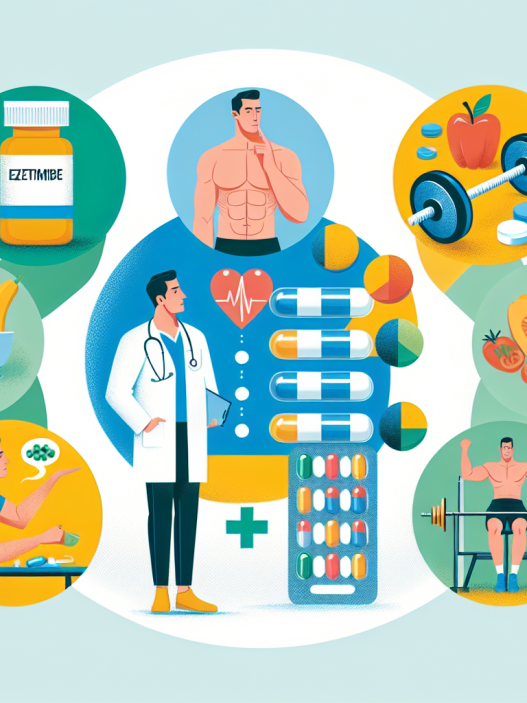
¿Se puede combinar Colesterol – agentes reductores con SARMs? Esta es una pregunta común entre aquellos que buscan mejorar su salud y su rendimiento físico. Los SARMs, o moduladores selectivos de los receptores de andrógenos, son compuestos que se utilizan para aumentar la masa muscular y mejorar el rendimiento deportivo. Por otro lado, los agentes reductores de colesterol son medicamentos que se utilizan para controlar los niveles de colesterol en la sangre. En este artículo, exploraremos si es seguro y efectivo combinar estos dos tipos de medicamentos.
The Potential Risks of Combining Cholesterol-Reducing Agents with SARMs
Cholesterol is a type of fat that is essential for our body’s functioning. However, when the levels of cholesterol in our blood become too high, it can lead to serious health problems such as heart disease and stroke. To combat this, doctors often prescribe cholesterol-reducing agents, also known as statins, to help lower cholesterol levels. On the other hand, SARMs (Selective Androgen Receptor Modulators) are a type of performance-enhancing drug that is gaining popularity among athletes and bodybuilders. While both of these substances have their own benefits, there is a growing concern about the potential risks of combining them.
Firstly, it is important to understand how cholesterol-reducing agents and SARMs work in the body. Statins work by blocking an enzyme that is responsible for producing cholesterol in the liver. This helps to lower the levels of cholesterol in the blood. On the other hand, SARMs work by binding to androgen receptors in the body, which can increase muscle mass and strength. However, SARMs have not been approved by the FDA for human use and are only available through illegal means or as research chemicals.
One of the main concerns with combining these two substances is the potential for liver damage. Both statins and SARMs are metabolized in the liver, and when taken together, they can put a strain on this vital organ. This can lead to an increased risk of liver toxicity and damage. In fact, there have been reports of individuals experiencing liver failure after combining statins with SARMs. This is especially concerning for those who already have underlying liver conditions or are taking other medications that can also affect the liver.
Another potential risk is the impact on cholesterol levels. While statins are known for their ability to lower cholesterol levels, SARMs have been shown to have the opposite effect. Studies have found that SARMs can increase levels of LDL (bad) cholesterol and decrease levels of HDL (good) cholesterol. This can lead to an imbalance in cholesterol levels and increase the risk of heart disease and other cardiovascular problems. Combining these two substances can further exacerbate this issue and put individuals at a higher risk.
Moreover, there is also a concern about the potential for drug interactions. Statins are known to interact with a variety of medications, and SARMs are no exception. When taken together, they can interfere with each other’s effectiveness and increase the risk of side effects. This is especially concerning for individuals who are already taking multiple medications for other health conditions. It is important to consult with a healthcare professional before combining these substances to ensure that there are no potential interactions.
In addition to the physical risks, there are also legal implications to consider. SARMs are not approved for human use and are classified as controlled substances. This means that they are illegal to possess or sell without a prescription. Combining them with statins, which are prescribed by doctors, can put individuals at risk of legal consequences. It is important to note that the use of SARMs is also banned by most sports organizations, and athletes who test positive for these substances can face severe penalties.
In conclusion, while both cholesterol-reducing agents and SARMs have their own benefits, there are potential risks associated with combining them. These risks include liver damage, imbalanced cholesterol levels, drug interactions, and legal implications. It is important to consult with a healthcare professional before taking any new medications or supplements, and to always follow the prescribed dosage and instructions. Combining these substances without proper medical supervision can have serious consequences on one’s health and well-being.
The Effects of SARMs on Cholesterol Levels and How it May Interact with Cholesterol-Reducing Medications
SARMs, or selective androgen receptor modulators, have gained popularity in recent years as a performance-enhancing supplement in the fitness world. These compounds are known for their ability to selectively target androgen receptors in the body, leading to increased muscle mass and strength. However, as with any supplement, it is important to understand the potential risks and interactions that may occur when combining SARMs with other medications or supplements. In particular, there has been concern about the effects of SARMs on cholesterol levels and how it may interact with cholesterol-reducing medications.
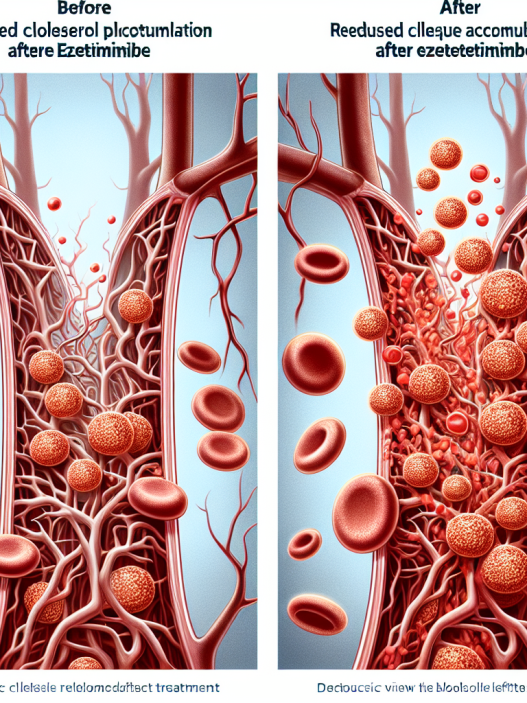
Cholesterol is a waxy substance found in the body that is essential for the production of hormones, vitamin D, and bile acids. However, high levels of cholesterol in the blood can lead to the buildup of plaque in the arteries, increasing the risk of heart disease and stroke. This is why many people take cholesterol-reducing medications, such as statins, to lower their cholesterol levels and improve their overall health.
One of the main concerns with SARMs is their potential impact on cholesterol levels. Some studies have shown that SARMs can increase levels of LDL, or «bad» cholesterol, while decreasing levels of HDL, or «good» cholesterol. This is a cause for concern as high levels of LDL and low levels of HDL have been linked to an increased risk of heart disease.
Furthermore, SARMs have been found to have a negative impact on liver function, which can also affect cholesterol levels. The liver plays a crucial role in regulating cholesterol levels in the body, and any damage to the liver can disrupt this process. This is why it is important to monitor liver function when taking SARMs and to avoid combining them with other substances that may also have a negative impact on the liver.
So, what does this mean for those who are taking cholesterol-reducing medications? Can SARMs be safely combined with these medications? The answer is not so straightforward. While there is limited research on the specific interactions between SARMs and cholesterol-reducing medications, it is important to exercise caution when combining the two.
Firstly, it is important to consult with a healthcare professional before taking any supplements, especially if you are already taking medications. They can provide personalized advice and monitor your health to ensure that there are no adverse effects.
Secondly, it is important to note that SARMs are not regulated by the FDA and their safety and efficacy have not been fully established. This means that there may be potential risks and interactions that have not yet been identified. Therefore, it is important to be cautious and informed when taking SARMs, especially when combining them with other medications.
In addition, it is important to consider the potential benefits and risks of taking SARMs. While they may offer some performance-enhancing benefits, the potential negative impact on cholesterol levels and liver function should not be ignored. It is important to weigh these factors and make an informed decision about whether or not to take SARMs.
In conclusion, the effects of SARMs on cholesterol levels and their potential interactions with cholesterol-reducing medications are still not fully understood. It is important to consult with a healthcare professional and exercise caution when combining SARMs with other medications. Additionally, it is important to consider the potential risks and benefits of taking SARMs and make an informed decision about their use. As with any supplement, it is important to prioritize your health and safety above any potential performance-enhancing benefits.
Alternatives to Combining Cholesterol-Reducing Agents with SARMs for Optimal Health and Fitness Results
Cholesterol is a type of fat that is essential for our body’s functioning. However, when the levels of cholesterol in our blood become too high, it can lead to serious health problems such as heart disease and stroke. This is why many people turn to cholesterol-reducing agents, such as statins, to help lower their cholesterol levels and improve their overall health.
On the other hand, SARMs (Selective Androgen Receptor Modulators) have gained popularity in the fitness world for their ability to enhance muscle growth and improve athletic performance. However, there has been a growing concern about the potential negative effects of combining cholesterol-reducing agents with SARMs. In this article, we will explore the alternatives to this combination for optimal health and fitness results.
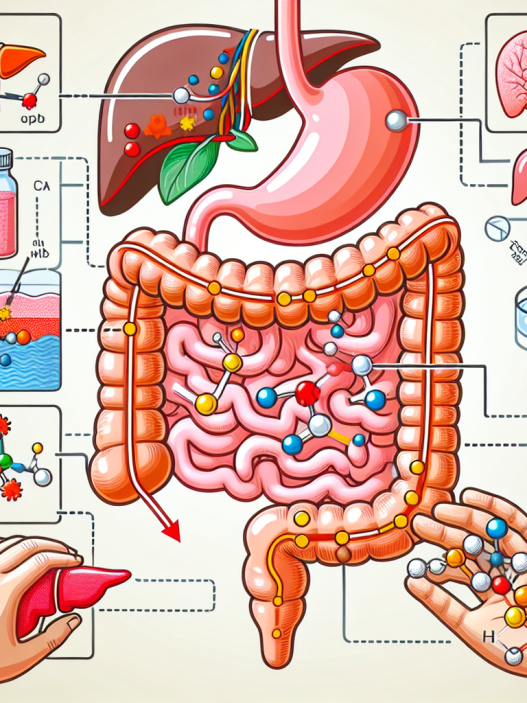
Firstly, it is important to understand how SARMs and cholesterol-reducing agents work in the body. SARMs are a type of performance-enhancing drug that selectively targets androgen receptors in the body, leading to increased muscle growth and strength. On the other hand, cholesterol-reducing agents work by inhibiting the production of cholesterol in the liver, thus lowering the levels of cholesterol in the blood.
One of the main concerns with combining these two substances is the potential for liver damage. Both SARMs and cholesterol-reducing agents are metabolized in the liver, and combining them can put extra strain on this vital organ. This can lead to liver toxicity and other serious health issues. Therefore, it is important to consider alternative options for achieving optimal health and fitness results.
One alternative is to focus on a healthy diet and regular exercise. A diet rich in fruits, vegetables, whole grains, and lean proteins can help lower cholesterol levels naturally. Regular exercise, especially cardiovascular activities, can also help improve heart health and lower cholesterol levels. By making these lifestyle changes, one can achieve optimal health without the need for cholesterol-reducing agents or SARMs.
Another alternative is to use natural supplements that have been shown to have cholesterol-lowering effects. These include plant sterols, omega-3 fatty acids, and red yeast rice. These supplements can be used in conjunction with a healthy diet and exercise to help lower cholesterol levels without the potential negative effects of combining them with SARMs.
It is also important to note that SARMs are not approved by the FDA for human use and are only available through the black market. This means that the quality and safety of these substances cannot be guaranteed. In contrast, cholesterol-reducing agents are FDA-approved and have been extensively studied for their effectiveness and safety. Therefore, it is important to consider the potential risks and lack of regulation when considering the use of SARMs.
In addition to the potential negative effects on health, combining cholesterol-reducing agents with SARMs may also lead to suboptimal fitness results. This is because cholesterol is essential for the production of hormones, including testosterone, which is crucial for muscle growth and strength. By lowering cholesterol levels, the body may not have enough of this important hormone to support muscle growth, leading to suboptimal results.
In conclusion, while the combination of cholesterol-reducing agents and SARMs may seem appealing for achieving optimal health and fitness results, it is important to consider the potential risks and alternatives. Focusing on a healthy diet, regular exercise, and natural supplements can help lower cholesterol levels and improve overall health without the potential negative effects of combining these substances. Additionally, it is important to remember that SARMs are not FDA-approved and their use may lead to suboptimal fitness results. Ultimately, the best approach for achieving optimal health and fitness is through a balanced and healthy lifestyle.
Q&A
1. ¿Qué son los agentes reductores de colesterol?
Los agentes reductores de colesterol son medicamentos que se utilizan para disminuir los niveles de colesterol en la sangre. Pueden ser estatinas, fibratos, resinas de intercambio iónico, entre otros.
2. ¿Qué son los SARMs?
Los SARMs (moduladores selectivos de los receptores de andrógenos) son una clase de compuestos químicos que se utilizan para aumentar la masa muscular y mejorar el rendimiento deportivo. A menudo se utilizan como alternativa a los esteroides anabólicos.
3. ¿Se pueden combinar los agentes reductores de colesterol con los SARMs?
No se recomienda combinar los agentes reductores de colesterol con los SARMs, ya que pueden interactuar y causar efectos secundarios graves. Además, los SARMs no están aprobados para uso médico y su seguridad y eficacia no han sido completamente investigadas. Siempre es importante consultar con un médico antes de tomar cualquier medicamento o suplemento.