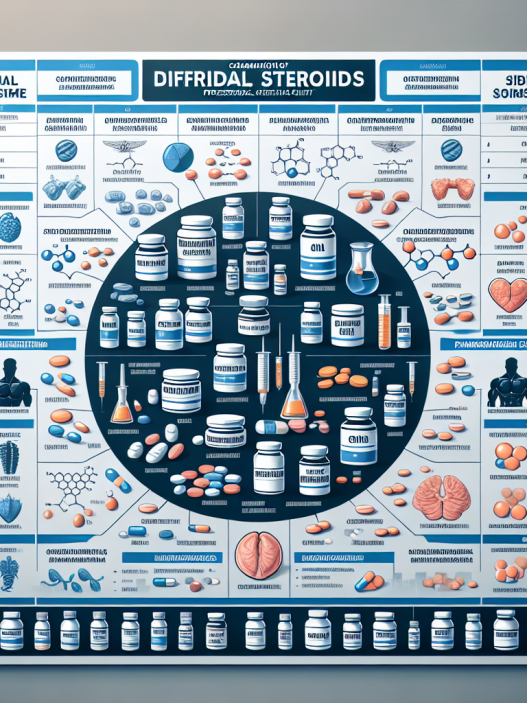

SARMs, or Selective Androgen Receptor Modulators, have become increasingly popular among fitness enthusiasts and athletes looking to enhance their performance and physique. Unlike traditional anabolic steroids, SARMs offer a more targeted approach to muscle building and fat loss, which minimizes potential side effects. This article will delve into what SARMs are, their benefits, potential risks, and how to effectively approach a SARMs course.
Wondering where you can buy SARMs? https://steroids-ukshop.com/product-category/sarms/ provides you with all the important information you need.
What Are SARMs?
SARMs are a class of compounds that bind to androgen receptors in a selective manner. This means they can promote muscle growth and fat loss with less impact on other tissues in the body, unlike steroids which affect multiple areas. Some of the most commonly used SARMs include:
- Ostarine (MK-2866)
- Ligandrol (LGD-4033)
- Andaine (RAD-140)
- YK-11
Benefits of SARMs
When considering a SARMs course, individuals often cite several potential benefits:
- Increased muscle mass
- Improved strength and stamina
- Enhanced fat loss
- Decreased recovery times
Potential Risks and Side Effects
While SARMs can offer a range of benefits, they are not without risks. Potential side effects may include:
- Hormonal imbalances
- Changes in libido
- Potential liver toxicity
- Suppression of natural testosterone production
It’s crucial to conduct thorough research and consult a medical professional before starting a SARMs course.
How to Approach a SARMs Course
When deciding to embark on a SARMs course, consider the following steps:
- Identify your fitness goals.
- Research the types of SARMs available and their specific benefits.
- Determine an appropriate dosage based on your goals.
- Consider the duration of the course and how to cycle on and off SARMs.
- Monitor your body’s response and adjust as necessary.
In conclusion, a SARMs course can be an effective method for enhancing athletic performance and achieving fitness goals. However, understanding what they are, the potential benefits and risks, and how to properly structure a course is vital to ensure safe and effective use.